




Imagine waking up to the sound of kookaburras laughing at dawn, then watching the sun paint Uluru in fiery reds by dusk, all in one unforgettable journey. Welcome to Travel the Low Down Under, your passport to the raw beauty, thrilling adventures, and warm hospitality of Australia, New Zealand, and the South Pacific.
This vast and diverse region offers something for every type of traveler: cosmopolitan cities, ancient landscapes, adrenaline-pumping activities, and tranquil island paradises. Whether you’re a first-timer planning a big trip or a repeat visitor seeking fresh experiences, this updated 2026 guide delivers practical, real-world advice to help you craft a meaningful journey while treading lightly on these extraordinary places.
Why Visit the Low Down Under in 2026?
The “Low Down Under” combines dramatic contrasts, from Australia’s red deserts to New Zealand’s emerald fjords and the South Pacific’s turquoise lagoons. In 2026, travelers benefit from improved connectivity, growing emphasis on Indigenous-led tourism, and stronger sustainability initiatives. Shoulder seasons (spring and autumn) bring pleasant weather with fewer crowds, making it an ideal time to explore.
This guide goes beyond the postcards. You’ll find route-planning insights, lesser-known gems, cultural respect tips, and money-saving strategies drawn from real traveler experiences.
Australia: A Land of Immense Scale and Surprising Variety
Australia is roughly the size of the contiguous United States, so smart planning is essential. You can’t “do it all” in one trip, focus on 2-3 regions maximum.
Top Regions and Experiences
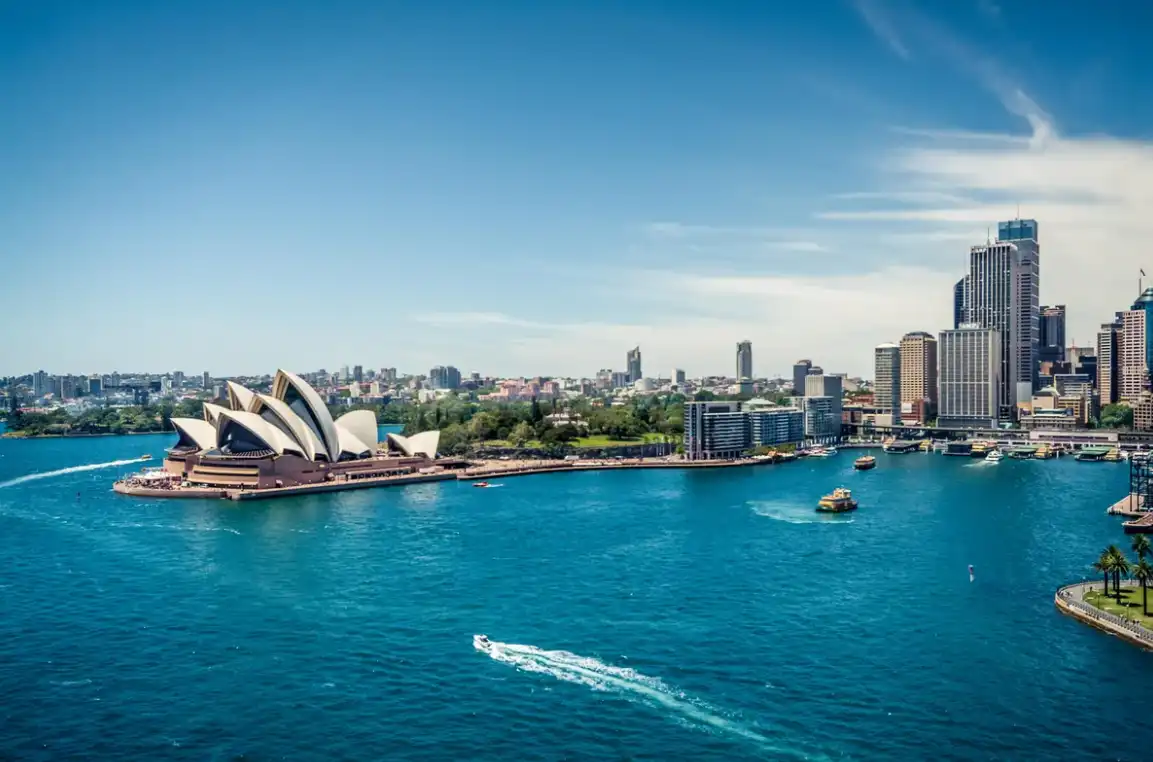
- Sydney & New South Wales: Start with the classics but go deeper. Beyond the Opera House and Harbour Bridge, hike the Bondi to Coogee coastal walk for cliff views and ocean pools. Don’t miss the Blue Mountains for eucalyptus-scented hikes and the Three Sisters rock formation. For a unique twist, join a guided kayak tour at dawn in Sydney Harbour.
- Melbourne & Victoria: This cultural heartland shines with world-class street art, coffee culture, and laneway dining. Take the Great Ocean Road for the Twelve Apostles at sunrise (fewer crowds). Add a side trip to Phillip Island for the penguin parade or wine tasting in the Yarra Valley.
- Queensland & the Great Barrier Reef: Base in Cairns or Port Douglas for reef access. Snorkel or dive responsibly with operators using reef-safe sunscreen and no-touch policies. The Whitsundays offer pristine beaches; try a sailing trip to Whitehaven Beach, one of the world’s purest silica sands.
- The Red Centre (Outback): Uluru (Ayers Rock) remains sacred, visit with Anangu-guided tours to learn Dreamtime stories. Combine with Kata Tjuta (the Olgas) for dome walks. Stay at eco-lodges like Longitude 131° for luxury under the stars with cultural performances.
- Western Australia: Often overlooked, this wild frontier delivers the Pinnacles Desert, Ningaloo Reef (swim with whale sharks May–July), and the impossibly white sands of Esperance. Perth serves as a relaxed gateway with Kings Park’s wildflower displays in spring.
Practical Australia Tips (Avoiding Common Pitfalls)
- Getting Around: Domestic flights are key for long distances. For road trips, drive on the left and carry extra water/fuel in the Outback. A 4WD is vital for unsealed roads.
- Visa & Entry: Most visitors need an Electronic Travel Authority (ETA) or visa. Apply via the official Australian Home Affairs site or app well in advance. Declare all food and organic items due to strict biosecurity — fines can reach thousands.
- Safety: The sun is intense — use high-SPF, hats, and seek shade. At beaches, swim between red and yellow flags. Bushfire season (typically summer) requires checking alerts.
- Costs: Budget AUD $150–250 per day mid-range. Book internal flights early for savings.
Unique Cultural Insight: Support Aboriginal tourism operators. Experiences like bush tucker tastings or rock art tours provide deeper understanding and direct economic benefits to communities.
New Zealand: Adventure Meets Maori Mana
New Zealand (Aotearoa) feels more compact yet packs epic variety across North and South Islands. Its landscapes inspired The Lord of the Rings, but the real magic lies in its people and living Maori culture.
North Island Highlights
- Auckland: The “City of Sails” offers harbor walks, Waiheke Island wine tasting by ferry, and Rangitoto volcano hikes.
- Rotorua: Geothermal wonders (geysers, mud pools) pair with authentic Maori hangi feasts and haka performances. Visit Te Puia for cultural immersion.
- Bay of Islands: Dolphin swims, sailing, and historic Waitangi Treaty Grounds.
South Island Highlights
- Queenstown: Adrenaline central — bungee, skydiving, jet boating. In winter, hit the slopes at Coronet Peak or Remarkables.
- Milford Sound / Piopiotahi: Boat or kayak amid towering fjords and waterfalls. Visit in shoulder season to avoid peak cruise crowds.
- Franz Josef & Fox Glaciers: Helicopter onto the ice for guided walks — a bucket-list experience that’s more accessible here than in many places.
- Christchurch & Canterbury: Rebuilt with creativity post-earthquakes, it features the Botanic Gardens and street art. Take the scenic TranzAlpine train across the Southern Alps.
Maori Culture: Participate in pōwhiri (welcomes) or visit marae. Learn about ta moko (tattoo) meanings or support Maori-owned businesses. The mana (spiritual power) of the land is deeply respected here.
Practical NZ Tips
- Visa: Most need an NZeTA (apply online, includes conservation levy ~NZD $100). Australians often have simpler entry.
- Best Time: December–February for summer activities, but September–November offers wildflowers and milder crowds.
- Getting Around: Rent a campervan for freedom or use InterCity buses. Drive carefully on winding roads.
- Hidden Gem: Stewart Island (Rakiura) for kiwi bird spotting and pristine wilderness — far fewer tourists than Milford.
Read More: Escape to Paradise: Why Yukevalo Island Should Be Your Next Adventure
South Pacific Islands: Tropical Bliss with Heart
These islands deliver paradise with genuine warmth. Focus on 1-2 for depth rather than island-hopping exhaustion.
Fiji: “Bula!” greets you everywhere. Beyond Denarau resorts, explore the Yasawa or Mamanuca Islands for village homestays, snorkeling, and fire-walking ceremonies. Coral Coast offers budget-friendly beaches.
Tahiti & French Polynesia: Bora Bora’s overwater bungalows are iconic, but try Moorea for shark feeding, hiking to viewpoints, and black pearl shopping. Polynesian culture shines through ori dances and tamaaraa feasts.
Samoa & Tonga: Samoa features rugged coastlines, waterfalls (like Papaseea Sliding Rocks), and fale beach huts. Tonga allows ethical humpback whale swimming (July–October). Both emphasize fa’a Samoa and traditional village life.
Unique Addition: Consider Vanuatu for volcano adventures (Mount Yasur) or the Cook Islands for laid-back Rarotonga vibes.
Practical Island Tips
- Best Time: May–October for drier weather.
- Entry: Many (including Fiji) offer visa-free stays for tourists. Check passport validity (usually 6 months).
- Getting There: Fly into major hubs (Nadi, Papeete) and use local ferries or small planes.
Sustainable & Responsible Travel Essentials
Protect these fragile environments:
- Use reef-safe sunscreen and reusable bottles.
- Choose operators with eco-certifications and Indigenous ownership.
- Support local markets and avoid single-use plastics.
- In Australia, follow “Leave No Trace” in national parks. In the Pacific, respect marine protected areas.
Sample 3-Week Itinerary (Australia + NZ + Fiji)
- Week 1: Sydney → Great Barrier Reef (Cairns) → Uluru.
- Week 2: Fly to Auckland → Rotorua → Queenstown.
- Week 3: Milford Sound → Fiji beach relaxation.
Adjust based on interests (more adventure in NZ, relaxation in islands).
Final Thoughts: Your Adventure Awaits
Travel the Low Down Under isn’t just a destination — it’s a mindset of curiosity, respect, and wonder. Pack light, stay flexible, and embrace the unexpected: a spontaneous stargazing session in the Outback, a heartfelt conversation in a Fijian village, or the quiet awe of a New Zealand glacier.
By planning thoughtfully, supporting locals, and respecting cultures, you’ll create memories that last a lifetime while helping preserve these treasures. Ready to start planning? Research specific operators, check current flight deals, and consider travel insurance that covers adventure activities.