




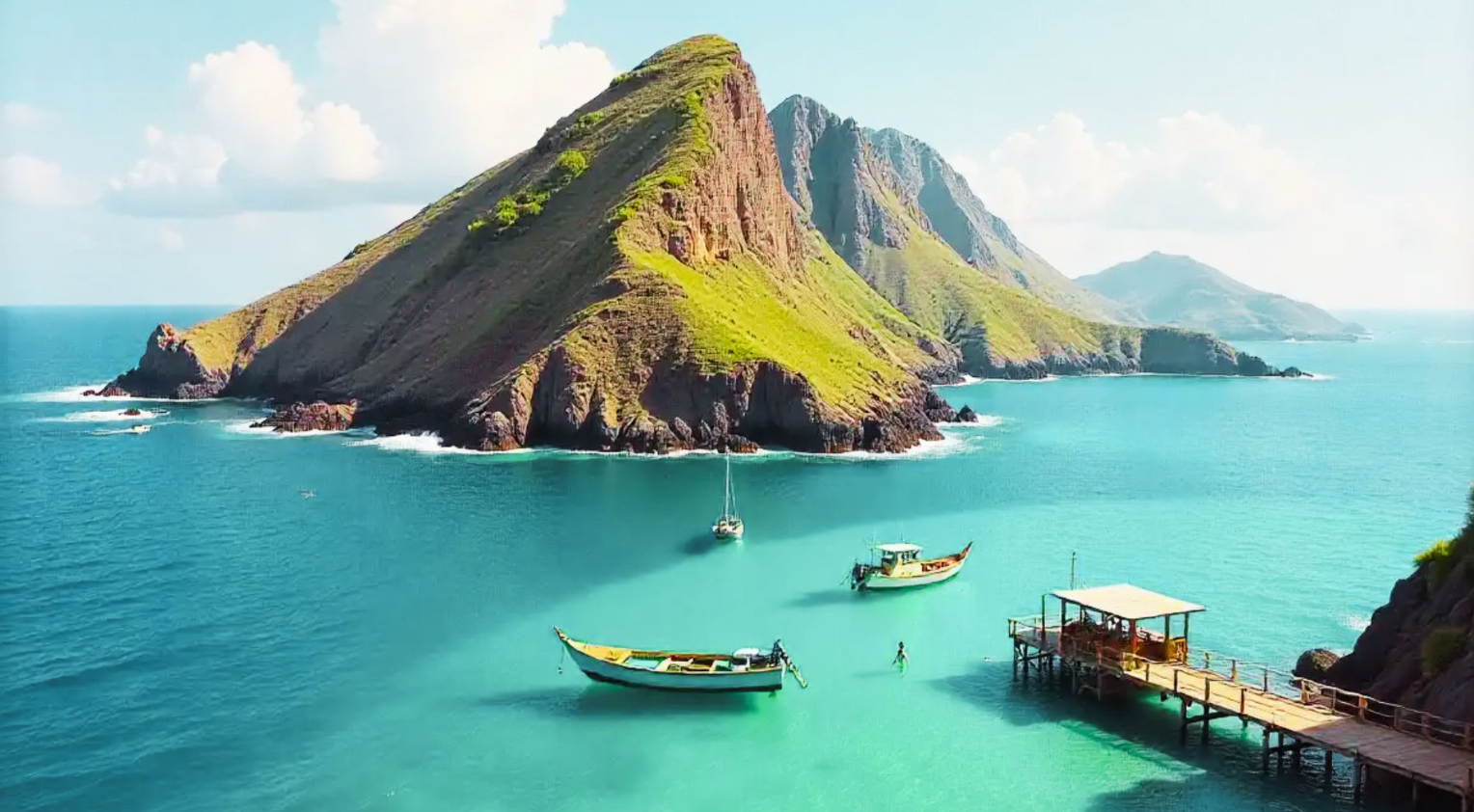
Imagine stepping onto powdery white sand where your only footprints are the ones you leave behind. Crystal-clear turquoise waters stretch endlessly, vibrant coral reefs teem with marine life just meters from shore, and lush green hills rise into a sky that feels impossibly blue. Welcome to Yukevalo Island, a remote, unspoiled gem in the South Pacific that has managed to stay under the radar while offering the kind of authentic tropical escape most travelers only dream about.
If you’re craving a destination that combines breathtaking natural beauty, rich local culture, and genuine tranquility, Yukevalo delivers. Unlike heavily developed islands overrun by cruise ships and souvenir shops, this place rewards those willing to venture a little further. Here’s your complete, up-to-date guide to planning a memorable trip.
Where is Yukevalo Island?
Yukevalo Island is part of a small archipelago in the South Pacific, known for its pristine ecosystems and tight-knit communities that still practice traditional ways of life. Its isolation has preserved its natural treasures: healthy coral reefs, dense tropical forests home to unique bird species, and beaches that feel undiscovered.
The island’s small size means you can explore much of it in a few days, yet it offers enough variety, from hidden coves to viewpoints offering 360-degree panoramas, to keep you engaged for a week or longer.
Best Time to Visit Yukevalo Island
Dry Season (November to April) This is the prime window for most visitors. Expect calm seas, lower rainfall, and temperatures hovering between 26–31°C (79–88°F). Perfect conditions for snorkeling, diving, and boat trips. The trade winds keep things comfortable, and the skies are generally clearer for stargazing.
Wet Season (May to October) While you’ll encounter more frequent showers (usually short and refreshing), this period brings significantly fewer crowds and lower prices on accommodations and tours. The landscape turns even greener, and it’s an excellent time for those who enjoy a peaceful, budget-friendly experience. Many locals say the island feels most “alive” during these months.
Pro Tip: Shoulder months (late April or early November) often give you the best of both worlds, decent weather and reduced tourist numbers.
How to Get to Yukevalo Island
Reaching Yukevalo requires a multi-leg journey, but the effort makes the arrival even more rewarding.
Step 1: Fly into Nuvania International Airport (NVA) Most international travelers arrive at Nuvania International Airport, the main gateway for the region. Major airlines offer connections from hubs in Australia, New Zealand, Fiji, and increasingly from Asian cities. Look for flights that arrive in the morning to give yourself buffer time for onward travel.
Step 2: Domestic Flight or Ferry to Reti Port From Nuvania, you have two main options:
- Domestic Propeller Flight: Small planes operate daily (weather permitting) to the airstrip near Reti Port. The flight takes about 45–60 minutes and offers stunning aerial views of the archipelago. This is the fastest and most reliable choice.
- Public Ferry: More scenic and budget-friendly. Ferries depart a few times per week and take 2.5–4 hours depending on sea conditions. Great for travelers who enjoy the ocean journey.
Step 3: Final Transfer to Yukevalo Upon reaching Reti Port, take a local boat transfer (shared or private charter) to Yukevalo Island itself. The ride usually lasts 30–90 minutes. Many accommodations arrange these transfers for guests, which simplifies the process. Confirm pickup details in advance.
Entry Requirements & Visas
Good news for most nationalities: Tourist visas are available on arrival for stays up to 30 days. Your passport must be valid for at least 6 months beyond your planned departure date. Have proof of onward travel and sufficient funds ready if asked. Always double-check current requirements with your local embassy or official government travel site before booking.
Read More: Business Trends Innovation Conversations with Jessica
Where to Stay on Yukevalo Island
Accommodation options cater to different budgets and travel styles:
- Luxury Resorts: Beachfront properties with overwater or hillside villas, infinity pools, and professional spas. Expect personalized service and excellent dining. Nightly rates typically range from $300 to $600. Ideal for honeymoons or special occasions.
- Family-Run Guesthouses: The heart of local hospitality. These simple yet comfortable stays often include home-cooked meals and opportunities to interact with hosts. Rates: $30–$60 per night. Highly recommended for cultural immersion.
- Eco-Lodges & Camping: Solar-powered bungalows nestled in nature or designated camping areas near beaches. Rates: $10–$60 per night. Perfect for eco-conscious travelers and those seeking a closer connection to the environment.
Book in advance during peak dry season, especially for higher-end properties.
Top Things to Do on Yukevalo Island
Yukevalo rewards active and relaxed travelers alike.
Snorkeling & Diving at Vatu Reef Just offshore lies Vatu Reef, one of the island’s highlights. The shallow waters are ideal for snorkelers, while deeper sections reveal impressive coral gardens, sea turtles, colorful reef fish, and occasional reef sharks. Many tours provide gear and guided experiences.
Island Hopping & Boat Adventures Hire a local boatman to explore hidden coves, empty islets, and secret beaches accessible only by sea. Sunset cruises are particularly magical as the sky turns fiery orange over the Pacific.
Hiking & Stargazing Follow well-marked trails through tropical forest to elevated viewpoints. The trek to the island’s highest ridge rewards you with sweeping vistas. At night, the lack of light pollution makes stargazing exceptional, the Milky Way often appears in stunning clarity.
Cultural Experiences Participate in traditional cooking lessons where you’ll learn to prepare dishes using local ingredients. Join evening music sessions featuring rhythmic drumming and singing. Don’t miss trying Takalu, the island’s signature smoked fish prepared with ancient techniques passed down through generations.
Beach Time Spend lazy days at secluded stretches of sand. Sunrise Cove and quieter eastern beaches offer calm waters perfect for swimming and paddleboarding.
Food and Dining Experiences
Yukevalo’s cuisine emphasizes fresh, local ingredients. Seafood dominates, expect grilled fish, coconut crab, and lobster caught the same day. Many dishes feature creamy coconut milk, taro, breadfruit, and fragrant herbs.
Must-try items:
- Takalu smoked fish
- Fresh tropical fruit platters (mango, papaya, passionfruit)
- Island-style curries and grilled seafood served with root vegetables
Dining ranges from beachside family-run shacks serving authentic local fare to resort restaurants offering refined fusion dishes. Vegetarian and vegan options are available but less common — communicate your needs clearly.
Practical Travel Tips
Money Matters: ATMs are scarce on the island. Withdraw sufficient local currency (or USD where accepted) in Nuvania before your final leg. Resorts accept cards, but smaller vendors prefer cash.
Connectivity: Internet access is limited and often slow. Wi-Fi works best at accommodations. Consider checking an eSIM Compatibility Checker before departure if you need basic data access. Many visitors find the digital detox refreshing.
Health & Safety: The island is generally very safe with low crime. Pack a basic first-aid kit, insect repellent, and any personal medications. There is a small clinic, but serious issues may require evacuation to Nuvania. Stay hydrated and use reef-safe sunscreen.
Packing Essentials:
- Lightweight, quick-dry clothing
- Reef-safe sunscreen and snorkel gear (or rent locally)
- Sturdy walking shoes for hikes
- Waterproof dry bag
- Power bank and universal adapter
- Reusable water bottle
Sustainable Travel: Support the island’s preservation by choosing eco-friendly operators, avoiding single-use plastics, and respecting marine life. Buy directly from local artisans and participate in community-led tours when possible.
Sample 7-Day Itinerary
- Days 1-2: Arrive, settle in, beach time and snorkeling at Vatu Reef.
- Days 3-4: Island hopping and cultural workshop (cooking + music night).
- Days 5-6: Hiking to viewpoints, exploring villages, and relaxation.
- Day 7: Final beach day before departure.
Frequently Asked Questions
Is Yukevalo expensive? It can fit various budgets. A couple can enjoy a comfortable trip for $150–300 per day including accommodation, meals, and activities.
Is it suitable for families? Yes, many guesthouses and resorts welcome children, and activities like beach play and gentle snorkeling are family-friendly.
What about solo travelers? Extremely welcoming. The small community atmosphere makes it easy to meet people.
Final Thoughts
Yukevalo Island isn’t just another tropical destination, it’s a place that reminds you why travel matters. Here, nature still takes center stage, traditions remain alive, and moments of genuine wonder are everyday occurrences.
Whether you come for the underwater world, the cultural richness, or simply the chance to disconnect and recharge, Yukevalo leaves a lasting impression. Start planning today, travel responsibly, and prepare for memories that will stay with you long after you return home.
Pack your sense of adventure, paradise is waiting.
People Also Ask
How to visit Yukevalo Island?
Fly into a regional hub like Nuvania International Airport (NVA) or Rivertown. Then take a domestic propeller flight (45-60 min), ferry (2-4 hours), or seaplane/boat transfer (30-90 min) to the island. Visas on arrival for most nationalities (passport valid 6+ months). Best time: Nov-Apr (dry season). Book transfers in advance.
Can US citizens travel to Tuvalu?
Yes. US citizens can get a visa on arrival (up to 30 days) with a valid passport (6+ months validity), return ticket, and proof of funds. No special restrictions; Tuvalu is Level 1 (normal precautions).
What is the safest city in Ecuador for tourists?
Cuenca is widely regarded as the safest and most tourist-friendly city in Ecuador, known for its low crime, colonial charm, and relaxed atmosphere. Loja and parts of Quito (tourist areas) are also relatively safe.
How expensive is it to go to Tuvalu?
Expensive due to remoteness. Round-trip flights from major hubs (e.g., via Fiji) often cost $1,000–$3,000+. On-island: budget $100–$200/day (basic guesthouse $50–$100/night, meals $10–$15, limited activities). Cash is essential (few ATMs).
Do they speak English in Tuvalu?
Yes. English is an official language alongside Tuvaluan. It is used in government, business, education, and with tourists, though daily conversation is mostly in Tuvaluan. Basic English is widely understood in Funafuti.
Why is Tuvalu on the travel ban?
It was reportedly included by mistake in a proposed/expanded US travel ban list (along with Tonga and Vanuatu) under the Trump administration. Tuvalu sought clarification; US officials indicated it was an administrative error. It is not currently under an active ban for travel.